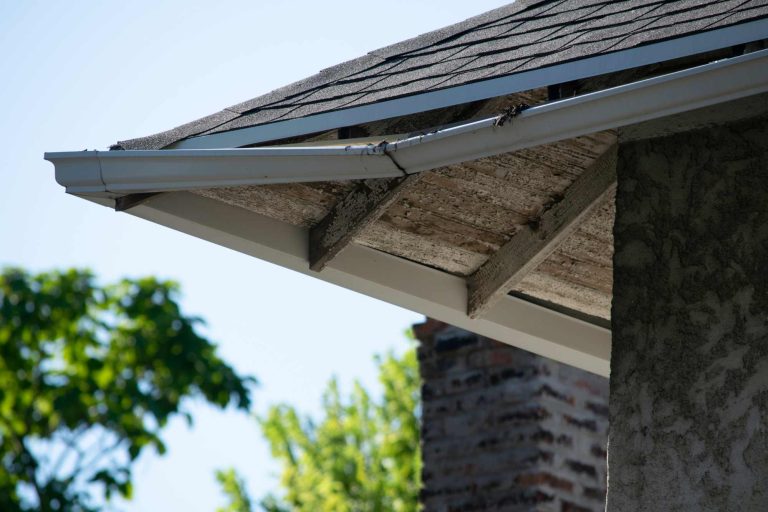
Your home’s siding is designed to protect your property from the elements, but over time, moisture, dirt, and organic debris can create the perfect environment for algae and mold growth. In Nova Scotia’s humid and often damp climate, these issues are common and can affect homes of all sizes and siding types.
While algae and mold may seem like cosmetic problems at first, they can cause long-term damage if left untreated. Understanding the risks can help homeowners take action before minor stains become costly repairs.
Algae and mold thrive in damp, shaded environments where moisture remains for extended periods. Areas of your home that receive limited sunlight are especially vulnerable.
Common causes include:
When moisture remains trapped on exterior surfaces, algae and mold can quickly begin to spread.
Mold often appears as dark spots or patches and can penetrate deeper into surfaces. Mold growth may also indicate excessive moisture issues that require attention.
Both can negatively impact the appearance and condition of your home’s exterior.
One of the first signs of algae and mold growth is discoloration. Green, black, or brown stains can make a home look neglected and reduce curb appeal.
If these contaminants remain on the siding for too long, they can become increasingly difficult to remove and may leave permanent marks.
Moisture is one of the biggest threats to exterior building materials. Algae and mold hold moisture against the siding, preventing surfaces from drying properly.
Over time, this can contribute to:
While vinyl siding is relatively durable, mold and algae can still affect its appearance and lifespan. Wood siding is particularly vulnerable because excess moisture can lead to rot and structural deterioration.
Regular cleaning helps prevent contaminants from causing long-term damage to siding materials.
A clean exterior plays a major role in how a home is perceived. Algae stains and mold growth can make even a well-maintained property appear older and neglected.
For homeowners considering selling their property, exterior cleanliness can influence first impressions and overall property value.
If left untreated, algae and mold can spread beyond siding to other parts of your property, including:
Addressing the problem early helps prevent larger cleaning and maintenance issues later.
Many homeowners assume high-pressure washing is the best way to remove algae and mold. However, excessive pressure can damage siding, force water behind exterior panels, and create additional problems.
For most homes, soft washing is the safer and more effective solution.
Soft washing uses specialized cleaning solutions and low-pressure water to:
Professional house washing removes algae, mold, dirt, and other contaminants while protecting your home’s exterior materials.
Benefits include:
Routine exterior cleaning can save homeowners money by preventing premature repairs and replacements.
The ideal cleaning schedule depends on your home’s location, surrounding vegetation, and exposure to moisture. In many Nova Scotia neighborhoods, professional house washing every one to two years helps keep siding in excellent condition.
Homes surrounded by trees or located in heavily shaded areas may benefit from more frequent cleaning.
Algae and mold may start as minor stains, but they can eventually affect the appearance, durability, and value of your home. Regular exterior cleaning helps prevent damage and keeps your property looking its best throughout the year.
If you’ve noticed algae, mold, or staining on your siding, Crystal Cove Home Services provides professional house washing services that safely remove buildup and restore your home’s exterior. Contact our team today to schedule a cleaning and help protect your investment for years to come.
📍 Location: Halifax, Nova Scotia
📞 Phone: 902-802-6869
🌐 Website: www.crystalcovehomeservices.com
✉️ Email: evan@crystalcovehomeservices.com
Website created by QuantumByte IT Inc.
Permanent Outdoor LED Lighting
