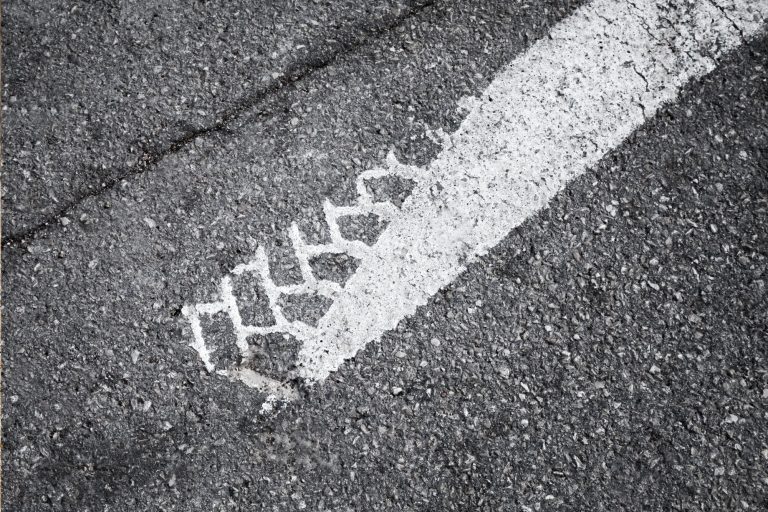
Your driveway goes through a lot every day. Vehicles pull in and out, tires turn, brakes are applied, and cars sit in the same areas for extended periods. Over time, this activity can leave behind dark black or gray tire marks that make an otherwise clean driveway look worn and neglected.
Tire marks are especially noticeable on light-coloured concrete, interlocking surfaces, and garage entrances. While a garden hose may remove loose dirt, stubborn rubber marks often require a more thorough cleaning approach.
Professional pressure washing can help remove many tire marks by combining controlled water pressure with the appropriate cleaning method. However, the best approach depends on the type of driveway surface and how deeply the rubber residue has bonded to it.
At Crystal Cove Home Services, we use professional exterior cleaning techniques to help Halifax homeowners restore the appearance of driveways, walkways, patios, and other outdoor surfaces.
Tire marks are caused by rubber and other compounds transferring from vehicle tires onto the driveway surface.
When a vehicle turns sharply, brakes suddenly, or accelerates on concrete, friction and heat can cause small amounts of rubber to transfer onto the surface.
Common situations that create tire marks include:
Over time, these marks can become increasingly noticeable and difficult to remove with ordinary household cleaning.
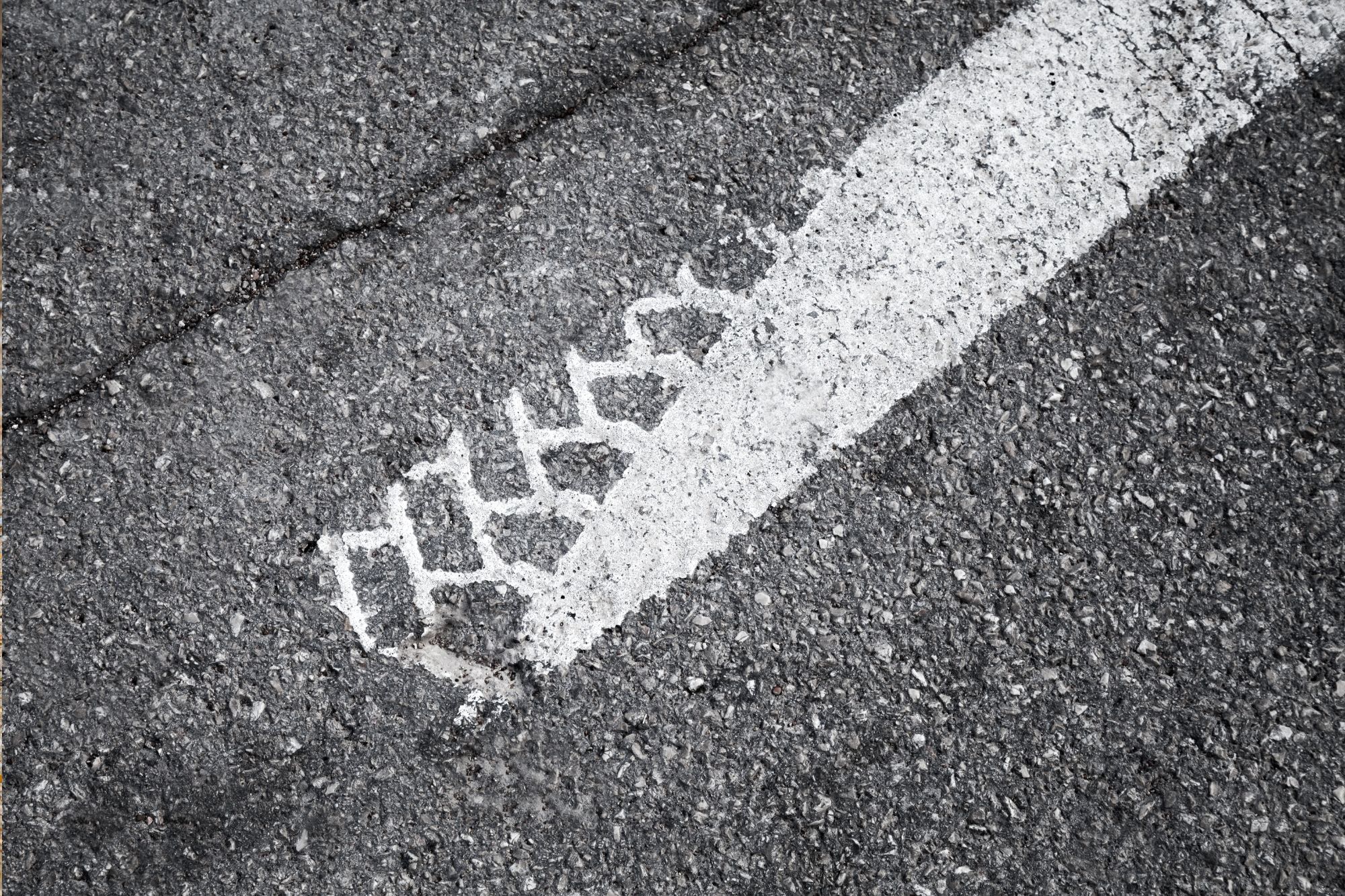
Concrete may appear smooth, but it is actually a porous material. Small particles and contaminants can settle into its surface.
Tire residue can become embedded in these microscopic pores, making it much more difficult to remove than loose dirt.
A standard garden hose may wash away surface dust but usually doesn’t provide enough cleaning power to remove stubborn rubber residue.
Scrubbing by hand can help with small areas, but large driveways can require significant time and effort.
This is where professional pressure washing can make a major difference.
Yes, pressure washing can remove many tire marks from concrete, particularly when the marks are relatively fresh or located primarily on the surface.
However, pressure alone isn’t always enough.
Professional cleaning may involve:
This approach is generally more effective than simply using maximum pressure.
It’s easy to assume that increasing the pressure will automatically produce better results.
That’s not necessarily true.
Concrete can be damaged by aggressive pressure washing. Excessive pressure can potentially:
A professional cleaner focuses on using the right amount of pressure for the surface, rather than simply using the highest setting available.
The goal is to remove the tire marks while preserving the condition and appearance of the driveway.
A professional driveway cleaning process typically involves several steps.
Before cleaning begins, the surface should be assessed.
Important factors include:
This helps determine the safest and most effective cleaning method.
Leaves, sand, dirt, and other loose materials are removed before treating the tire marks.
This prevents debris from interfering with the cleaning process.
For stubborn tire marks, a professional may use a surface-appropriate cleaner to help loosen rubber residue.
The solution gives the cleaning process an advantage by breaking down contaminants before they are rinsed away.
Once the residue has been loosened, pressure washing helps remove it from the concrete.
Professional equipment provides much greater cleaning power than a standard garden hose while allowing the operator to control the pressure and spray pattern.
The driveway is thoroughly rinsed and inspected to determine whether additional treatment is necessary.
Some older or deeply embedded marks may require more than one cleaning pass.
Yes, tire marks can also occur on interlocking pavers and other driveway surfaces.
However, pavers require careful cleaning because excessive pressure can disturb joint sand or affect the surface of certain materials.
A professional should adjust the cleaning method based on:
Proper technique helps remove buildup while minimizing the risk of damaging the driveway.
Garage floors can develop particularly stubborn tire marks because vehicles repeatedly park in the same areas.
The combination of warm tires, vehicle weight, and repeated contact can leave dark marks around parking positions.
Professional cleaning can help improve the appearance of these areas, but results depend on the age and condition of the concrete and whether the floor has been sealed or coated.
For garage floors, it’s important to choose a cleaning method appropriate for the existing finish.
Not all tire marks are equally difficult to remove.
Fresh rubber residue is generally easier to clean because it hasn’t had as much time to bond with the concrete.
Addressing marks early can prevent them from becoming more difficult to remove later.
Older marks may have become embedded in the pores of the concrete or combined with dirt and other contaminants.
These may require specialized cleaning solutions and additional treatment.
This is one reason regular driveway cleaning can be beneficial. Removing buildup before it becomes deeply embedded makes ongoing maintenance easier.
Tire marks themselves are generally more of an appearance issue than a structural problem. However, they can indicate areas of heavy vehicle traffic that may also experience other forms of wear.
Regular cleaning allows homeowners to inspect the driveway and identify other problems such as:
Keeping the driveway clean makes it easier to notice these issues early.
DIY driveway cleaning can be time-consuming, especially when tire marks cover a large area.
Professional pressure washing offers several advantages.
Professional equipment provides stronger and more consistent cleaning performance than typical consumer pressure washers.
Different surfaces require different cleaning pressures. Professionals can adjust their approach based on the material and condition of the driveway.
Instead of spending hours scrubbing and rinsing your driveway, homeowners can have the work completed efficiently.
Professional cleaning helps create a more uniform appearance rather than leaving noticeable patches of clean and dirty concrete.
Using appropriate techniques reduces the risk of unnecessary damage caused by excessive pressure or incorrect cleaning products.
There isn’t a universal schedule for every Halifax home.
Your driveway may need cleaning more frequently if it experiences:
For many homeowners, an annual exterior cleaning can help maintain the driveway’s appearance. However, visible tire marks and other stains can be addressed as needed rather than waiting for a scheduled cleaning.
While tire marks are sometimes unavoidable, homeowners can take steps to minimize them.
Sharp turns while the vehicle isn’t moving can increase friction between the tires and driveway.
Fresh marks are generally easier to clean than old, deeply embedded residue.
Regular cleaning prevents tire residue from combining with layers of dirt and grime.
Depending on the driveway and its condition, sealing may help protect the surface and make future cleaning easier. A professional can advise whether sealing is appropriate for your particular surface.
Yes. Pressure washing can remove many tire marks, particularly when combined with an appropriate cleaning solution. Older or deeply embedded marks may require additional treatment.
Tire marks are usually caused by rubber transferring from vehicle tires onto concrete due to friction, turning, braking, and repeated parking.
A garden hose can remove loose dirt but generally doesn’t provide enough pressure to remove stubborn rubber residue from concrete.
Pressure washing can be safe when performed correctly. Using excessive pressure or holding the nozzle too close to the surface can damage concrete, which is why proper technique is important.
Yes, but pavers require a careful cleaning approach. Excessive pressure can disturb joint sand or damage certain surfaces, so the cleaning method should be adjusted to the material.
The time depends on the driveway’s size, condition, and level of staining. A larger driveway with heavy buildup or multiple stains will generally require more time than a smaller, lightly soiled surface.
Professional pressure washing can help remove many types of surface buildup, including dirt, algae, moss, mildew, and some stains. Certain contaminants, such as rust and oil, may require specialized treatments.
Yes. Crystal Cove Home Services provides professional exterior cleaning services for Halifax homeowners, including pressure washing for driveways and other outdoor surfaces. The appropriate cleaning method is selected based on the surface and type of buildup.
Tire marks can make a clean driveway appear old, dirty, and poorly maintained. Fortunately, professional pressure washing can help remove many stubborn rubber marks and restore a cleaner appearance.
The key is using the right combination of cleaning solutions, equipment, pressure, and technique. Simply increasing the pressure isn’t always the best solution and can potentially damage the concrete.
If your Halifax driveway has tire marks, dirt, algae, oil stains, or other stubborn buildup, Crystal Cove Home Services can help restore its appearance with professional exterior cleaning.
📍 Location: Halifax, Nova Scotia
📞 Phone: 902-802-6869
🌐 Website: www.crystalcovehomeservices.com
✉️ Email: evan@crystalcovehomeservices.com
Website created by QuantumByte IT Inc.
Permanent Outdoor LED Lighting
