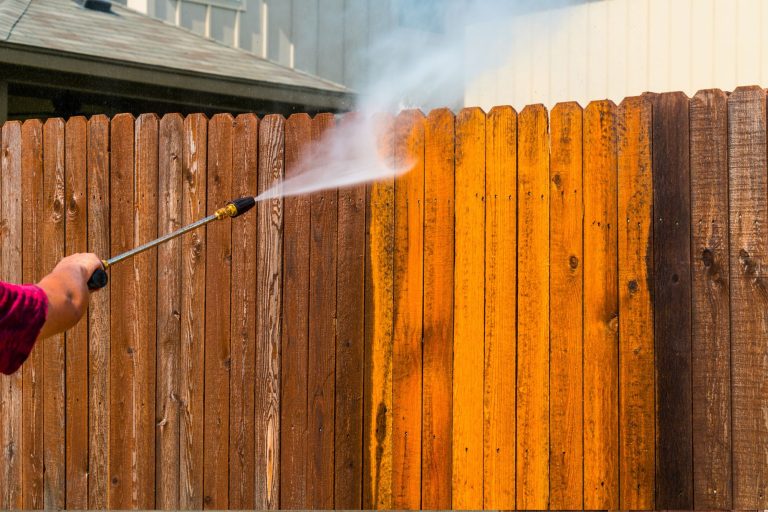
Painting or staining your home’s exterior is one of the best ways to improve curb appeal and protect your investment. Whether you’re refreshing your siding, staining a cedar deck, or repainting a fence, the quality of the finished project depends on one critical step that many homeowners overlook proper surface preparation.
One of the most effective ways to prepare exterior surfaces is through professional pressure washing. Dirt, mold, mildew, algae, chalky residue, pollen, and loose paint can all prevent fresh paint or stain from bonding correctly. Applying new coatings over dirty surfaces often leads to peeling, bubbling, uneven finishes, and costly repairs much sooner than expected.
At Crystal Cove Home Services, we help homeowners throughout Halifax prepare their homes for painting and staining with professional pressure washing services that safely remove years of buildup without damaging exterior surfaces. Whether you’re planning a DIY project or hiring a painting contractor, pressure washing is the first step toward achieving long-lasting, professional-quality results.
Many homeowners invest thousands of dollars in exterior painting but underestimate the importance of preparing the surface first. Paint and stain are designed to bond directly with clean, solid materials. When dirt or organic growth is left behind, the coating adheres to the contamination instead of the surface itself.
Over time, this weak bond begins to fail, resulting in peeling paint, blistering, cracking, or fading much sooner than expected.
Professional pressure washing removes contaminants that interfere with adhesion, creating a clean foundation for new paint or stain.
Common contaminants include:
Removing these contaminants before painting not only improves the final appearance but also helps maximize the lifespan of the new finish.
Homes in Halifax experience a unique combination of coastal weather, humidity, seasonal storms, and freezing winters. These conditions allow moisture to remain on exterior surfaces for long periods, creating an ideal environment for algae, mildew, and mold.
In addition, sea salt carried by coastal winds gradually settles on siding, windows, decks, and fences. While these deposits may not always be visible, they can interfere with paint adhesion if they are not properly removed.
That’s why pressure washing is particularly important for Halifax homeowners planning exterior renovations.
A professionally cleaned surface helps ensure your investment stands up to Nova Scotia’s changing weather conditions.
Pressure washing isn’t just for siding. Many exterior surfaces benefit from professional cleaning before painting or staining.
Vinyl siding collects dirt, pollen, algae, and mildew throughout the year. Cleaning these contaminants before painting helps improve paint adhesion and creates a smoother finish.
Professional pressure washing also restores the appearance of siding that may simply need cleaning rather than replacement.
Wood requires special care because excessive pressure can damage its fibres.
Our team uses the appropriate pressure and cleaning techniques to safely remove dirt, mildew, and weathering while preserving the integrity of the wood.
A clean wood surface absorbs stain more evenly and helps paint adhere properly.
Before staining or sealing a deck, it’s essential to remove:
Professional cleaning allows fresh stain to penetrate the wood evenly, producing a richer colour and longer-lasting protection.
Wood fences often weather unevenly because of constant exposure to sunlight and moisture.
Pressure washing removes years of buildup, allowing paint or stain to restore the fence’s natural beauty while protecting it from future weather damage.
Although concrete isn’t painted as frequently as siding or wood, cleaning these surfaces before applying coatings or sealers helps ensure proper adhesion and a cleaner finished appearance.
One of the overlooked benefits of pressure washing is that it exposes issues hidden beneath layers of dirt and grime.
After cleaning, homeowners can more easily identify:
Identifying these problems before painting prevents expensive repairs later and ensures the new coating isn’t applied over damaged materials.
Professional painters often recommend pressure washing first for this exact reason.
Fresh paint needs a clean, stable surface to bond correctly.
When contaminants remain, the paint bonds to the dirt instead of the siding or wood underneath. As moisture works its way beneath the paint, peeling and bubbling become inevitable.
Pressure washing improves adhesion by removing these barriers, allowing paint and stain to penetrate and bond directly to the surface.
The result is:
Many homeowners hesitate to invest in professional pressure washing before painting, viewing it as an unnecessary expense.
In reality, it’s one of the most cost-effective parts of the entire project.
Proper preparation can:
Considering the cost of repainting an entire home, investing in professional surface preparation is a smart financial decision.
One of the most common questions homeowners ask before painting is whether pressure washing alone is enough or if sanding is also necessary. The answer depends on the condition of the surface.
Pressure washing and sanding serve different purposes, and in many cases, they work best together.
Pressure washing removes dirt, algae, mold, mildew, loose paint, pollen, and other contaminants from the surface. It creates a clean foundation so paint or stain can adhere properly.
Sanding, on the other hand, smooths rough areas, removes stubborn peeling paint, feathers paint edges, and prepares bare wood for a uniform finish.
For most exterior painting projects, the recommended process is:
Skipping pressure washing means sanding dust, dirt, and contaminants can remain trapped beneath the new coating. Skipping sanding on damaged surfaces can leave an uneven finish that may peel sooner than expected.
Combining both methods provides the best results and helps maximize the lifespan of your exterior paint or stain.
Even the highest-quality paint cannot compensate for poor preparation. Avoiding these common mistakes can save time, money, and frustration.
Applying paint over dirt, mildew, or algae prevents proper adhesion and often leads to peeling and blistering. Professional pressure washing removes these contaminants before painting begins.
Simply painting over mold doesn’t solve the problem. Mold continues to grow beneath the paint, eventually causing discoloration and coating failure. The surface should always be cleaned and treated first.
Painting over cracked siding, rotten wood, or damaged trim only hides the problem temporarily. Pressure washing often reveals areas that need repair before painting.
Many homeowners rent pressure washers without realizing that excessive pressure can damage wood siding, fences, and decks. Using the correct pressure and techniques is essential to protect exterior surfaces.
Exterior surfaces should be completely dry before applying paint or stain. Painting too soon can trap moisture beneath the coating, leading to bubbling, peeling, and reduced durability.
Painting during periods of high humidity or rain can negatively affect drying and adhesion. Always follow the paint manufacturer’s recommendations and choose suitable weather conditions.
Garden hoses and household cleaners rarely remove deeply embedded dirt, algae, or mildew. Professional pressure washing provides a much deeper and more effective clean.
Proper preparation takes time, but it significantly improves the final result. Investing in thorough cleaning and preparation helps ensure your exterior paint job lasts for years.
Yes. Pressure washing removes dirt, mold, mildew, loose paint, and other contaminants that can prevent paint from adhering properly. It’s one of the most important steps in exterior surface preparation.
Pressure washing cleans the surface, but some areas may also require sanding, repairs, or priming. These additional steps help create a smooth, long-lasting finish.
When performed correctly using the proper equipment and techniques, professional pressure washing safely cleans most exterior surfaces. Experienced technicians adjust the pressure based on the material being cleaned.
Absolutely. Removing dirt, old stain residue, algae, and mildew allows the new stain to penetrate the wood evenly and provides better protection against weather.
Common surfaces include:
Professional cleaning ensures each surface is properly prepared before painting or staining.
No. Mold and mildew should always be removed before painting. Painting over organic growth can lead to premature paint failure and recurring stains.
While renting a pressure washer may seem convenient, improper use can damage wood, siding, windows, and other exterior surfaces. Hiring professionals helps ensure safe and effective cleaning.
Crystal Cove Home Services uses professional equipment and proven cleaning techniques to safely prepare homes for painting and staining. Our experienced team understands how to clean different exterior materials without causing damage, helping homeowners achieve longer-lasting, professional-quality results.
A successful exterior painting or staining project begins long before the first coat is applied. Proper surface preparation is the foundation of a finish that looks great and stands up to Halifax’s changing weather.
Professional pressure washing removes dirt, algae, mold, mildew, and loose paint, creating the ideal surface for paint or stain to bond effectively. Combined with any necessary repairs and sanding, it helps extend the life of your investment while enhancing the overall appearance of your home.
If you’re planning to paint or stain your home’s exterior, trust Crystal Cove Home Services to prepare your property the right way. Our professional pressure washing services deliver safe, thorough cleaning that helps ensure outstanding results.
📍 Location: Halifax, Nova Scotia
📞 Phone: 902-802-6869
🌐 Website: www.crystalcovehomeservices.com
✉️ Email: evan@crystalcovehomeservices.com
Website created by QuantumByte IT Inc.
Permanent Outdoor LED Lighting
